What is Dubbing?
What actually is dubbing? Learn how video dubbing works, where it’s used, and why AI dubbing is key to reaching global audiences today.

Filip Reimann
January 23, 2026
Basics
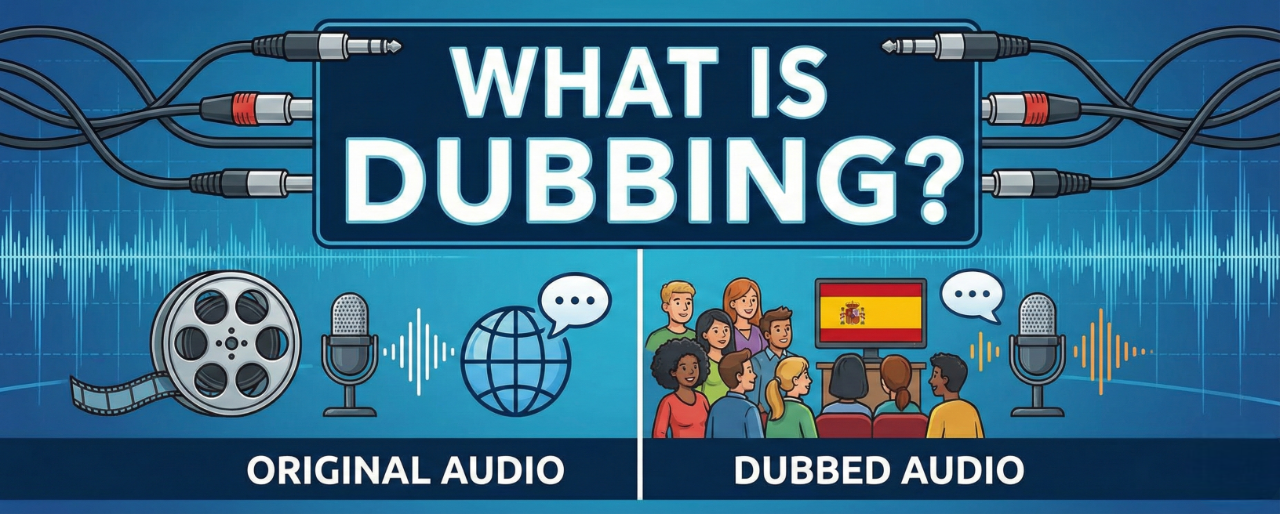

Have you ever been in a conversation where someone mentions dubbing and you realize you have no idea what they’re talking about? You start wondering, “What exactly is dubbing?”. By the end of this article, you’ll have a holistic understanding of what dubbing actually is and how it’s used today.
According to Merriam-Webster, dubbing is the process of replacing the original audio in a film or video with a new voice track, most commonly to synchronize dialogue in another language. In film and video production, dubbing (also known as film synchronization) is used to make content accessible to international audiences by replacing original voices with a localized voice track. Compared to subtitles, dubbing creates a more natural and immersive viewing experience.
Long story short …
Dubbing means giving your video a new audio track in another language:
Dubbing is most commonly used in film, TV, and streaming (e.g. Netflix) to make existing content available in multiple languages. Besides that, there are several other industries dubbing is very popular today:
In all of these cases, dubbing helps content feel natural, engaging, and locally relevant.
Before AI technology, dubbing required a complex, manual production process:
This approach may work for a single video - but what happens when you need to translate 100 videos into four different languages?
With just a few clicks, modern AI dubbing platforms like CHAMELAION enable you to translate large volumes of video and audio content:
No sync studio. No voice actors. No editing software - without compromising quality.
In a fast-evolving global market, staying competitive means communicating clearly and effectively across languages. Text-based content alone is no longer enough - video has become the primary format for employee training, learning programs, webinars, marketing, and internal communication.
Dubbing makes this shift scalable. Instead of relying on subtitles or text-heavy materials, companies can deliver content directly in the viewer’s language, creating a more natural and engaging experience. Compared to subtitles or voice-over, dubbed videos hold attention longer, convey emotion more effectively, and feel far more professional.
At the same time, modern AI dubbing has made high-quality localization cost-effective and easy to scale, even with large amounts of videos in multiple languages. This allows organizations to expand globally, train international teams, and reach new markets faster - without the pain of traditional localization.
In short, dubbing turns video into a powerful global communication tool: engaging, efficient, and built for today’s international audiences.
Unlike any other tool out there, CHAMELAION offers a highly specialized AI video translation platform and serves as a go-to solution for e-learning agencies, broadcasters and enterprises looking to scale their customer support, learning and training, as well as marketing and communication efforts globally. Besides that, CHAMELAION hosts all customer videos fully GDPR-compliant on European servers, operates mainly independently of third-party providers, and offers transparent and flexible monthly pricing that scales with real needs.
Still not convinced? Translate your first Video for Free now 👉https://app.chamelaion.com
1) What is video dubbing?
Dubbing is the process of adding sound effects or replacing the original audio in a film or video with a new voice track, most commonly to synchronize dialogue in another language.
2) What is the difference between dubbing and subtitles?
While dubbing replaces the original audio with a new voice track in another language, subtitles translate the spoken content into on-screen text while the original audio remains unchanged. With dubbing you preserve emotion & nuance with no need to read - for higher engagement of your audience.
3) AI Video Translation vs. Traditional Dubbing: How Much Does It Really Cost?
In today's world AI Video translation is significantly cheaper than traditional dubbing studios, with cost savings of over 95%. Traditional professional dubbing costs $100-300 per finished minute, whereas AI-based translation & dubbing software costs $1-5, depending on the scope. Of course, with traditional professional dubbing you still get the better quality, but in 90% of the cases you really come close to it.
4) What does dubbing mean in video localization?
Dubbing in video localization means replacing the original audio of a video with a new voice track in another language, so the content can be understood naturally by international audiences. Instead of reading subtitles, viewers hear the dialogue in their own language, often with matched tone, timing, and even synchronized lip movements.
5) Do I need any prior video editing experience when dubbing a video?
No! Especially CHAMELAIONs platform is built simply and intuitive for teams specialized in other areas willing to leverage localized training, learning or marketing videos.
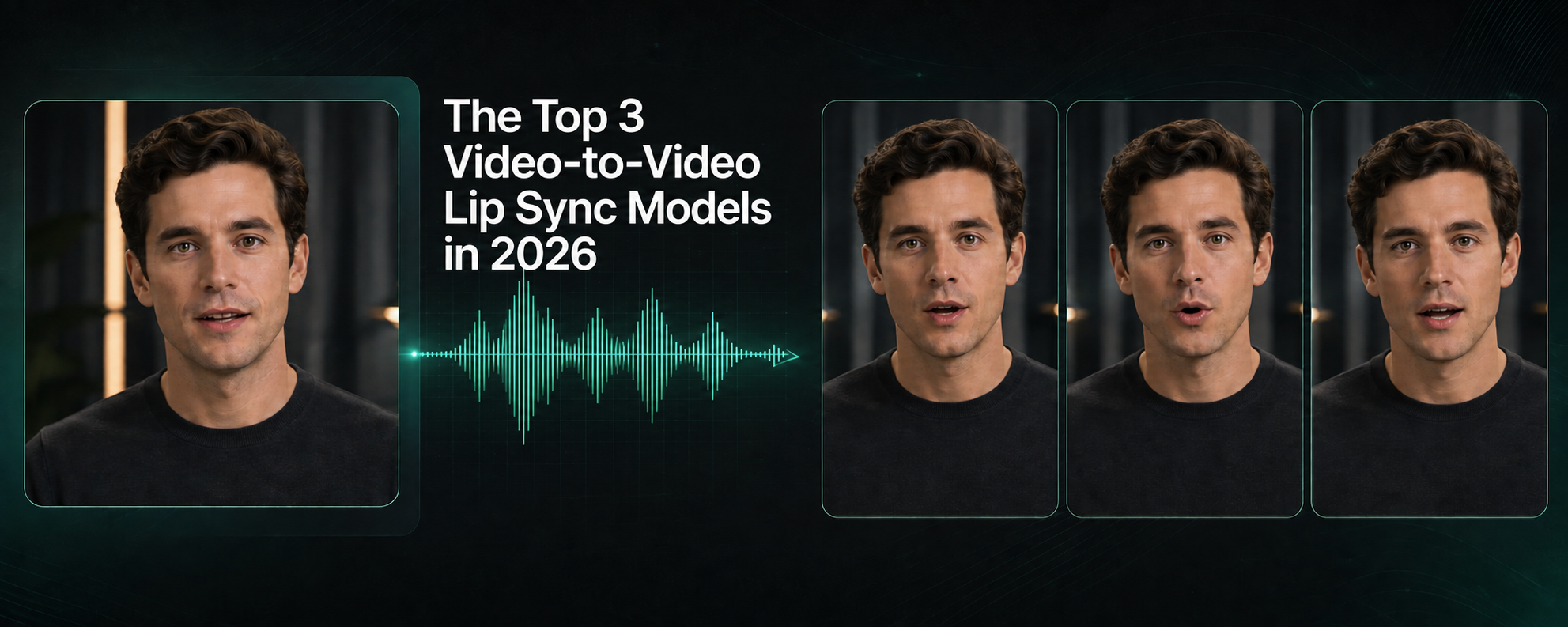
Compare Kling, CHAMELAION and Sync 3 with video examples, per-minute pricing, features, and access through platforms, APIs and SDKs.

Translate Hindi and Portuguese video or audio with CHAMELAION. Upload, choose languages, click Translate, then preview and export in minutes.


© 2025 CHAMELAION GmbH